Tooth pain is a symptom, not a diagnosis. It may come from decay, a crack, irritation inside the tooth, gum problems, sensitivity, grinding, or another cause. A dental examination is the reliable way to understand what is happening.
When to book a dental visit
Pain does not have to be severe before it deserves attention. Contact a dentist when any of the following applies:
- The pain lasts longer than one or two days, keeps returning, or is getting worse.
- Pain or sensitivity interrupts sleep, eating, work, or normal daily activity.
- The tooth hurts when you bite or chew.
- Hot, cold, or sweet sensitivity lingers after the trigger is removed.
- A tooth is broken, cracked, loose, or has lost a filling or crown.
- The gums are red or swollen, or there is a persistent bad taste or bad breath.
- There is swelling of the gum, cheek, or jaw, especially with fever or feeling unwell.
Signs that need urgent attention
For severe tooth pain, increasing facial swelling, fever, or a bad taste with pain, contact a dentist promptly for urgent guidance. Do not wait for a routine visit if symptoms are worsening.
Why a tooth may hurt
Common causes include tooth decay, a cracked tooth, inflammation or infection inside a tooth, gum inflammation, a loose or damaged restoration, exposed sensitive tooth surfaces, and clenching or grinding. Pain can sometimes be felt in a different tooth from the actual source, so symptoms alone cannot confirm the cause.
What to do while arranging care
- Rinse gently with warm water and keep the area clean.
- Floss carefully if food may be trapped, without forcing anything into a painful gum.
- Choose soft foods, chew on the other side, and avoid very hot, cold, or sugary foods if they trigger pain.
- Use a cold compress on the outside of the cheek if there is swelling.
- If you use an over-the-counter pain medicine, follow the label and ask a pharmacist or doctor if you are unsure whether it is suitable for you.
What happens at the appointment
- The dentist asks when the pain started, what triggers it, and whether swelling, fever, injury, or previous treatment is involved.
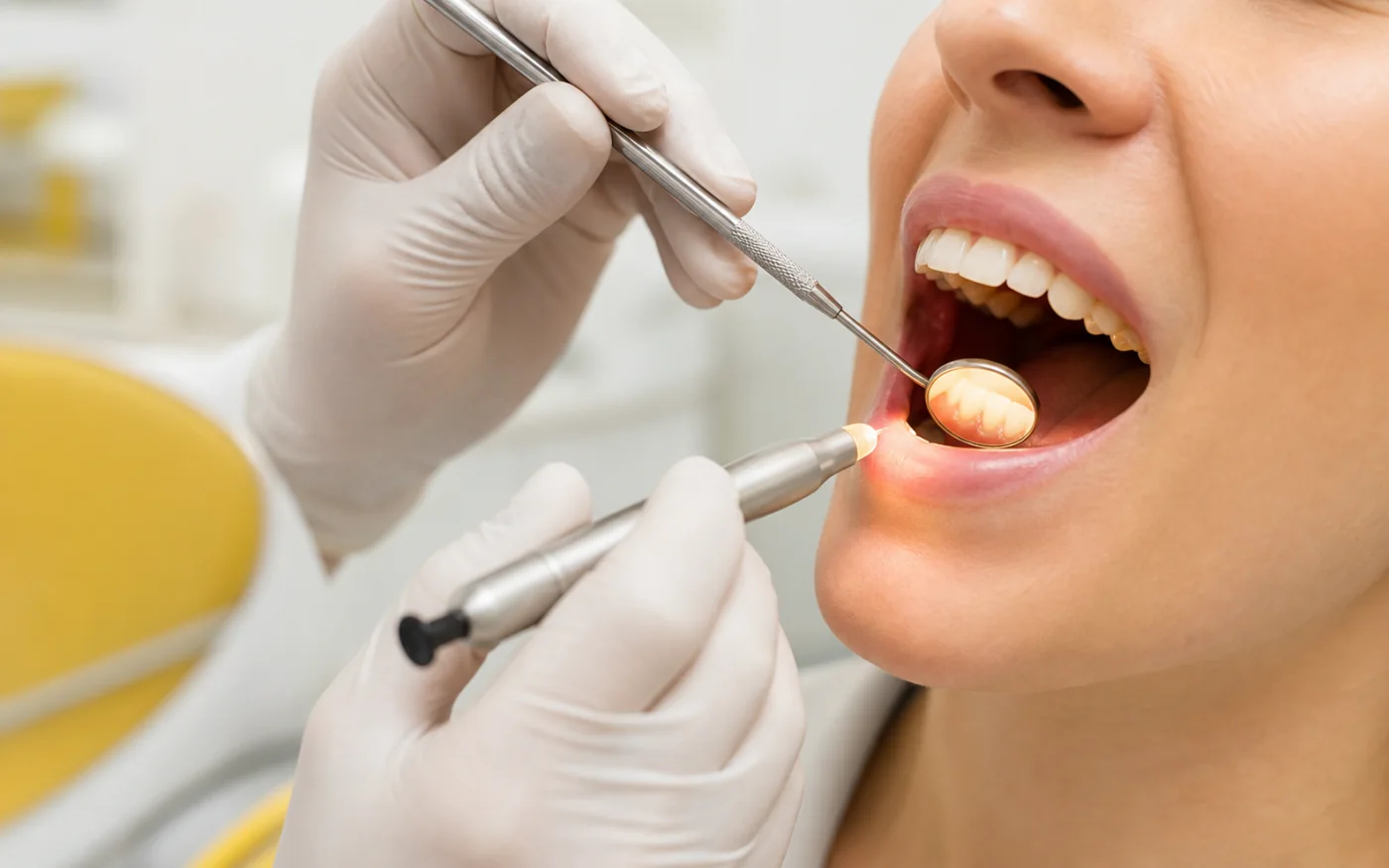
- The teeth, gums, bite, and nearby tissues are examined.
- An X-ray or another test may be recommended when it is needed to understand the cause.
- The dentist explains the findings, suitable options, urgency, and next steps before treatment.
Frequently asked questions
The pain stopped. Do I still need a checkup?
If pain was strong, lasted more than a day or two, keeps returning, or followed a crack or swelling, a dental check remains sensible. Symptoms can settle even when the underlying cause has not resolved.
Does tooth pain always mean root canal treatment?
No. Treatment depends on the cause and condition of the tooth. Some problems need simpler care, while others may need root canal treatment, gum care, restoration, or removal. An examination is needed before deciding.
Will antibiotics cure a toothache?
Not usually on their own. Dental treatment is prioritized for most tooth-related pain and localized swelling. A dentist may consider antibiotics when there are signs of wider infection or systemic illness.
Sources
- NHS: Toothache — reviewed guidance on dental symptoms, urgent swelling, and self-care.
- American Dental Association: Evidence-based guidance for dental pain, swelling, and antibiotic use.
- MouthHealthy by the American Dental Association: Dental emergencies and toothache first-aid guidance.